
The Social Media Ban Debate: Online Safety, Algorithmic Feeds, and Teen Brain Development
- The Resilience Center - Contributor

- Apr 27
- 3 min read
Proposals to restrict social media access for people under 16 have sparked a surge of attention—especially as parents, educators, clinicians, and policymakers try to respond to rising concerns about teen mental health.
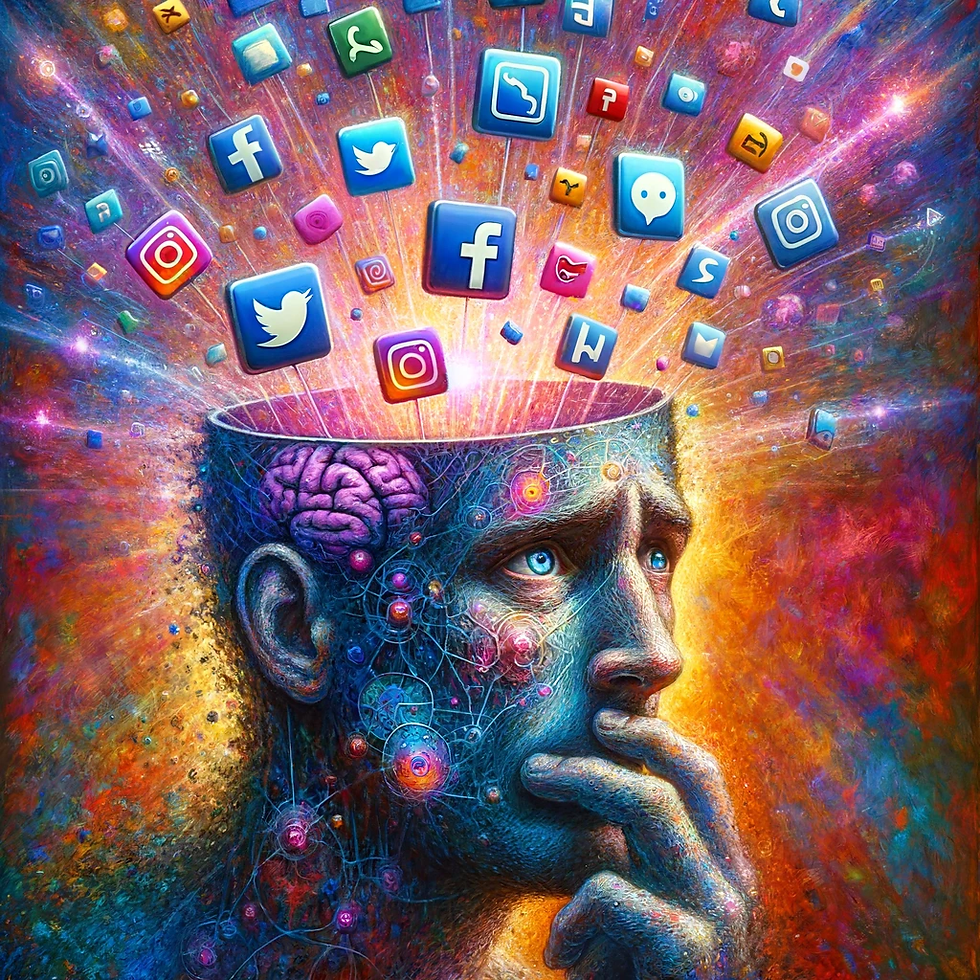
Much of the debate centers on “online safety,” but the conversation often blurs together very different issues: exposure to harmful content, harassment, privacy risks, and the way algorithmic feeds shape what teens see (and how long they stay).
Why this debate is getting so much traction
The proposed under-16 restrictions are gaining momentum because they offer a clear, simple lever: limit access. But the reality is more complex. Teens use social platforms for connection, identity exploration, creativity, and community—especially those who feel isolated offline. At the same time, the risks are real, and they’re not evenly distributed. Some teens are more vulnerable due to anxiety, depression, trauma history, neurodivergence, sleep problems, or social stress.
What “online safety” actually includes
When people say “online safety,” they may be referring to several overlapping areas:
Content safety: exposure to self-harm content, eating-disorder content, sexual content, hate speech, or misinformation.
Contact safety: grooming, unwanted sexual messages, coercion, or manipulation by adults or peers.
Conduct safety: cyberbullying, harassment, social exclusion, and the pressure to perform socially.
Privacy and data safety: tracking, targeted advertising, and the permanence of digital footprints.
Design safety: features that encourage compulsive use—endless scroll, autoplay, streaks, and algorithmic recommendations.
A ban debate often focuses on age verification and access, but many families are also asking for stronger protections inside the platforms themselves—especially around design and algorithms.
Algorithmic feeds and teen brain development: what’s the concern?
Algorithmic feeds don’t just show what friends post. They learn what captures attention and then serve more of it—often optimizing for engagement. For teens, whose brains are still developing in areas related to impulse control, emotional regulation, and reward sensitivity, this matters.
Common concerns raised by clinicians and researchers include:
Reward loops and habit formation: variable rewards (likes, comments, new content) can reinforce checking behaviors.
Attention fragmentation: rapid, high-stimulation content can make sustained focus feel harder over time.
Sleep disruption: late-night scrolling and notifications can reduce sleep quantity and quality—both strongly tied to mood and learning.
Social comparison and body image: curated feeds can intensify appearance pressure and “not enough” feelings.
Emotional amplification: feeds can repeatedly surface distressing content, escalating anxiety or hopelessness for some teens.
A key point: the same platform can be neutral or even supportive for one teen and destabilizing for another—depending on what the algorithm learns to serve and what the teen is already struggling with.
What a ban can (and can’t) solve
Age-based restrictions may reduce exposure for younger teens, but they don’t automatically address the underlying design issues that drive compulsive use. They also raise practical questions: How will age be verified? What happens to teens who rely on online communities for support? Will restrictions push use into less visible spaces?
Many experts argue that the most effective approach is layered: age-appropriate protections, stronger platform accountability, and family-level skills that help teens build healthier digital habits.

Practical steps families can take right now
Regardless of where policy lands, families can reduce risk and increase resilience with a few concrete moves:
Make sleep non-negotiable: charge phones outside bedrooms and set a consistent “screens off” time.
Audit the feed together: talk about what shows up, what it makes them feel, and how the algorithm “learns.”
Turn off non-essential notifications: reduce the constant pull back to the app.
Create “high-risk” rules: no social media when upset, late at night, or during homework—times when self-control is lowest.
Watch for mood and functioning changes: irritability, sleep shifts, withdrawal, falling grades, or increased anxiety can be signals to adjust boundaries and get support.
A balanced takeaway
The social media ban debate reflects a real desire to protect teens in a fast-changing digital environment. The most helpful conversations avoid extremes—neither dismissing risks nor assuming one policy can solve everything. A focus on online safety should include platform design, algorithmic accountability, and practical supports that help teens build attention, sleep, and emotional regulation skills in everyday life.


